

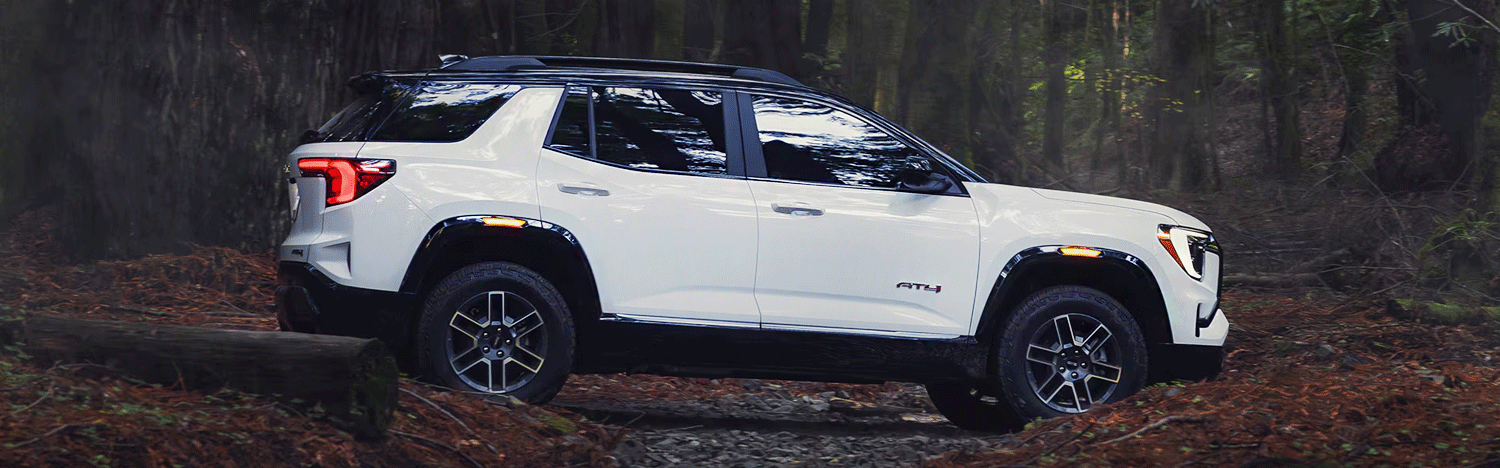
Choosing between AWD and FWD really comes down to your daily driving conditions and lifestyle. While a FWD setup sends power to the front wheels only, an AWD system can power all four wheels when needed. Here's how each configuration can affect your everyday drive.
FWD vs AWD: Key Differences
-
Traction and Handling
FWD vehicles are ideal for most motorists. They handle well in most conditions, including rainy weather. If you plan to travel in the snow or regularly go on off-road adventures, an AWD-equipped vehicle will be a better option. The added traction and stability give you extra peace of mind.
-
Fuel Efficiency
On average, FWD vehicles tend to be more efficient. Not only do AWD models typically weigh more, but they are also engineered with extra moving parts. The good news is that most AWD systems are part-time. This means they only engage when slippery conditions are detected, helping you achieve the best possible gas mileage.
-
Maintenance
AWD systems usually require more routine maintenance. For instance, AWD vehicles are designed with a differential. Although the service interval can vary from one model to the next, this key component typically requires its fluid to be changed every 30,000 to 60,000 miles. FWD systems are simpler overall.
Do you have further questions about the capabilities of FWD and AWD? Don't hesitate to contact Husker GMC today.
