

As global climate trends evolve and summer heatwaves grow more intense, ensuring your vehicle is properly maintained has evolved into a fundamental safety requirement. Protracted exposure to extreme heat accelerates component degradation, dries out crucial fluids, and places immense stress on automotive systems that must operate under punishing conditions. Overlooking seasonal preventive care dramatically increases the likelihood of sudden vehicle breakdowns, component failures, and hazardous tire degradation on burning midwestern roadways. Preparing your premium vehicle to withstand these severe climate stressors requires a comprehensive, defensive strategy.
Combating Extreme Heat and Heat Damage Protection
- Battery Check: Extreme summer heat hastens internal corrosion of the battery plates and fluid depletion. Secure expert diagnostic verification to confirm your battery maintains optimal starting amperage and avoid getting stranded.
- Belts and Hoses: Sustained high temperatures cause rubber cooling hoses and accessory belts to dry out, split, or stretch out of shape, potentially inducing unexpected alternator or cooling circuit failures.
- Air Conditioning Check: Verify your cabin cooling system now to uncover hidden leaks or diminished airflow, helping you avoid prolonged repair timelines when summer demand peaks at the service drive.
- Thermal Shielding: Enclosed passenger cabins can easily surpass 110°F even on moderately warm afternoons. Employing top-tier sunshades safeguards delicate dashboard electronics and interior surfaces from permanent UV damage.
Tire Safety and Summer Performance Metrics
- Cold Inflation Calibration: Determine your tire inflation level using a reliable pressure gauge when tires are "cold"—defined as parked for at least 3 hours or driven less than 1 mile.
- PSI Adherence: Closely adhere to the manufacturer's recommended PSI listed on the driver's door jamb sticker or inside the owner's manual, avoiding the maximum cold pressure inscribed on the tire sidewall.
- Structural Inspections: Regularly inspect your tires for visual signs of heat stress, including cracks in the sidewall, distorted tread wear patterns, embedded objects, or dangerous air bubbles.
- Load and Tire Alignment: Sustained highway speeds and heavy payloads exert significant strain on tire infrastructure during heatwaves. Seeking a professional wheel alignment ensures balanced wear characteristics and optimal stability.
Maximizing Fluid Health and Cooling System Integrity
- Cooling System Optimization: Validate the operational efficiency of the radiator, thermostat, and water pump. Always use premium-grade engine coolant with a high boiling point to help prevent overheating.
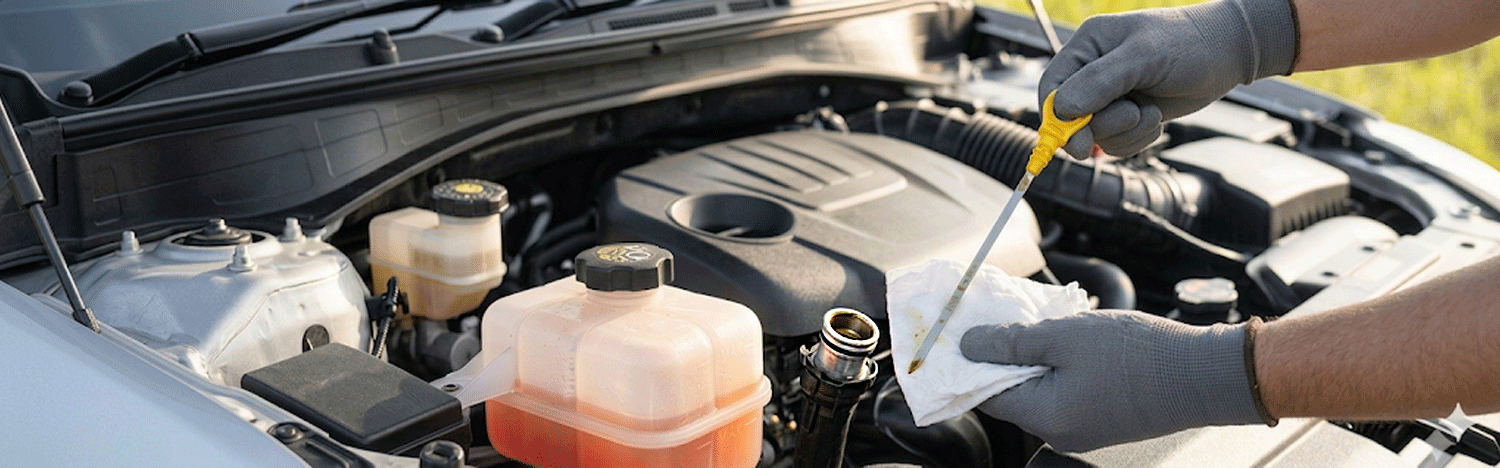
- Fluid Level Audits: Perform systematic checks of vital under-hood fluid levels—such as engine oil, transmission fluid, and brake fluid—confirming they are clean, unadulterated, and correctly filled.
- Visibility Refresh: Discard worn or damaged wiper blades to guarantee optimal visibility through heavy summer downpours, and ensure the windshield washer fluid reservoir is full.
- Rust Prevention: Clean the vehicle's underside thoroughly to eliminate any lingering winter grime or sand. Promptly touch up minor paint abrasions to prevent intense heat and ambient humidity from causing rapid oxidation.
Schedule Your Seasonal Service
Do not permit severe seasonal heat to compromise your mobility. Book a comprehensive vehicle inspection at the Husker GMC Service Center today. Outrun the seasonal service congestion and guarantee your vehicle is fully engineered to tackle the harsh climate ahead. Please contact us today for more details.
